To More Inquiry
+233 555 328 311
Support:
Rwanda’s story is shaped by the Hutu, Tutsi and Twa communities, whose lives, traditions and identities have developed together across the land of a thousand hills. For centuries, the Nyiginya kingdom brought much of the region under a central royal authority, while farming, cattle keeping, craft and trade connected communities across the highlands. German and later Belgian colonial rule changed political and social structures, and Rwanda became independent in 1962. The country also endured the devastating 1994 Genocide against the Tutsi, a national tragedy that took more than 800,000 lives and left deep scars. In the years since, Rwanda has pursued remembrance, reconciliation and renewal while preserving its language, music, dance, craftsmanship and community traditions. From the royal heritage of Nyanza to the hills surrounding Kigali, Rwanda’s history is a powerful story of resilience, healing and hope.
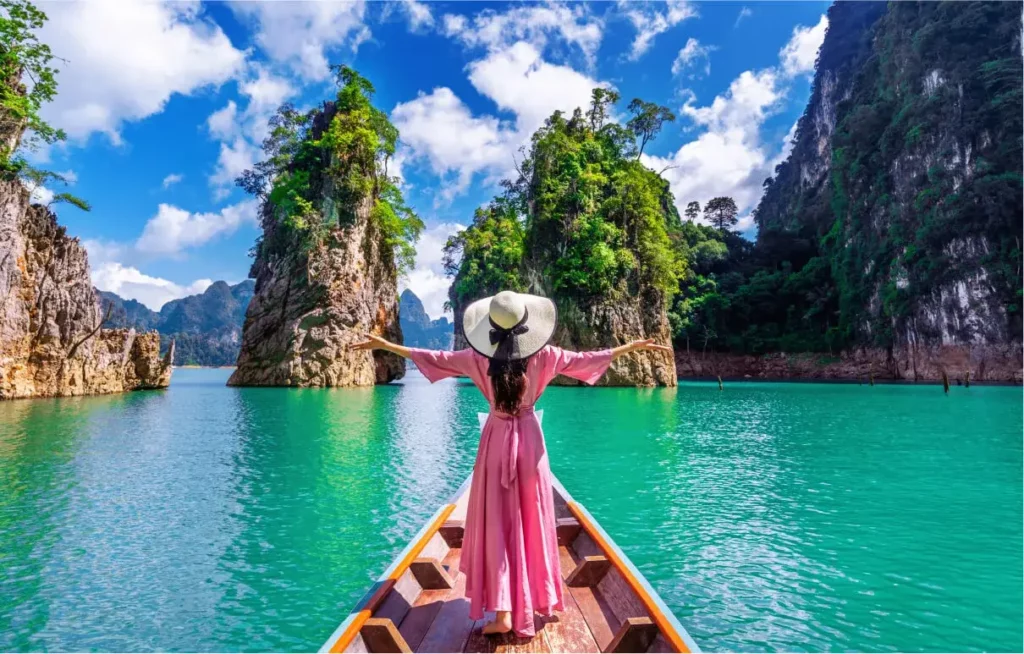

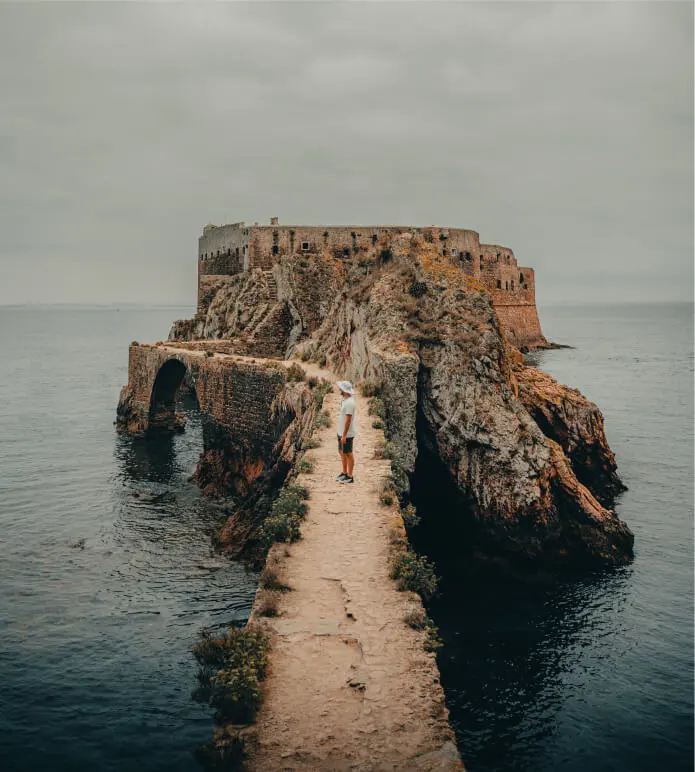

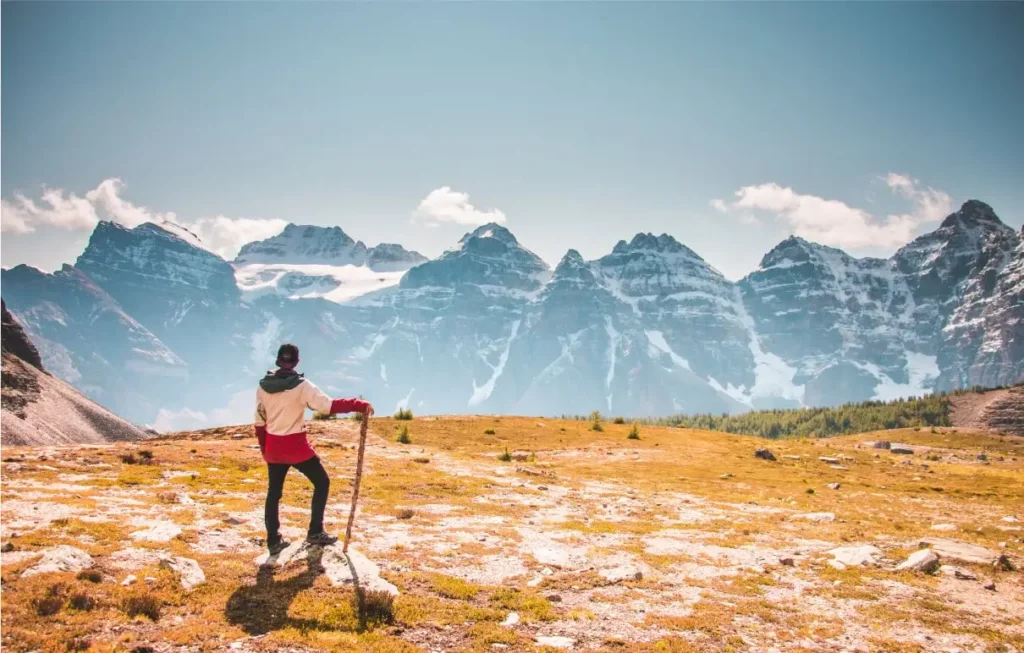
Rwanda brings together misty mountains, protected forests, peaceful lakes, remarkable wildlife and welcoming communities. Trek through Volcanoes National Park, search for chimpanzees in Nyungwe Forest, explore Akagera’s savannahs, relax beside Lake Kivu, and discover Kigali’s art, food and memorial heritage. Its clean hills, living traditions and thoughtful conservation create a memorable journey through one of Africa’s most inspiring destinations.



TAXES INCL/PERS

TAXES INCL/PERS

TAXES INCL/PERS

TAXES INCL/PERS
TAXES INCL/PERS

TAXES INCL/PERS
TAXES INCL/PERS
TAXES INCL/PERS
TAXES INCL/PERS
To receive our best monthly deals