To More Inquiry
+233 555 328 311
Support:
Burkina Faso’s story is rooted in the histories of Mossi kingdoms, Fulani, Bobo, Gurma, Senufo, Lobi, Bissa, Gourounsi and many other peoples. For centuries, communities built thriving societies through farming, craft, horse traditions, trade and strong systems of local leadership. The Mossi kingdoms, including Ouagadougou and Yatenga, played a major role in the region’s political history, while caravan routes connected the savannah to wider West African commerce. French colonial rule later reshaped the territory, which became Upper Volta in 1919. The country gained independence in 1960 and adopted the name Burkina Faso in 1984, combining words associated with integrity and homeland in its major national languages. Today, its festivals, masks, music, storytelling, textile arts and welcoming communities express a resilient culture at the heart of West Africa.

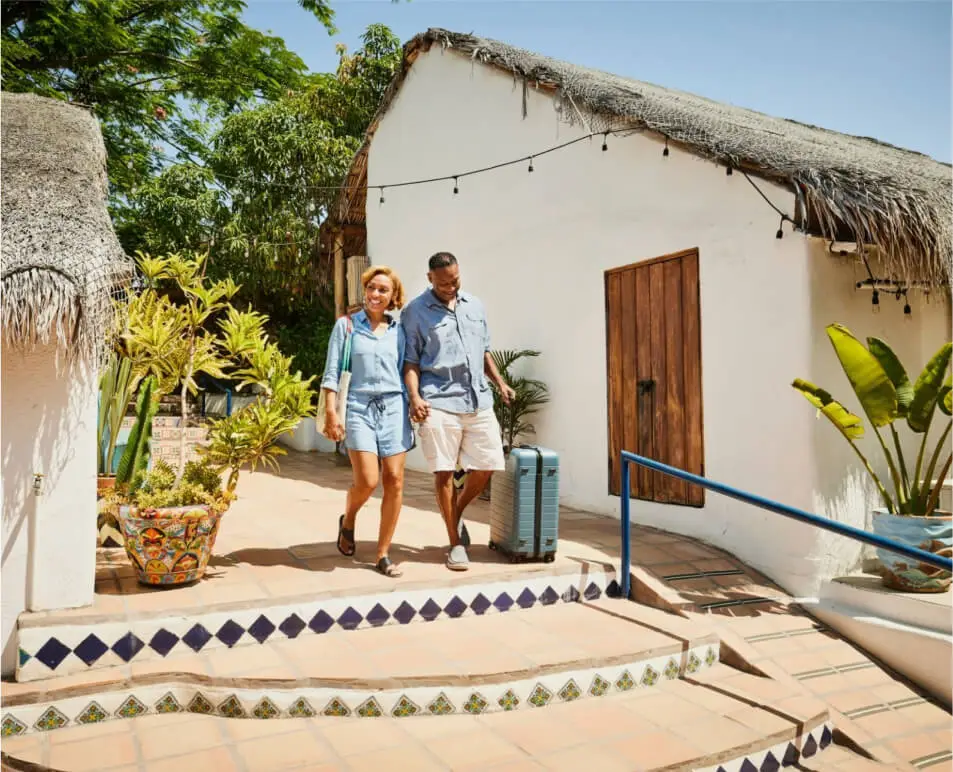
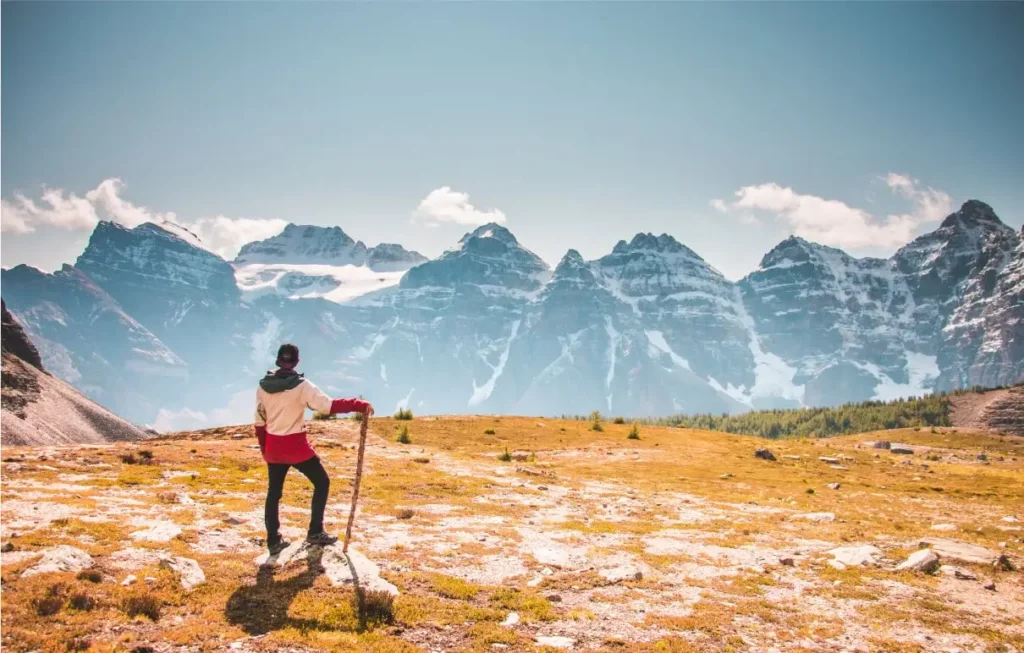
Burkina Faso invites travelers into wide savannah landscapes, living traditions and warm community life. Discover the energy of Ouagadougou, meet artisans and performers, explore the old royal heritage of the Mossi, and travel toward waterfalls, cliffs and wildlife areas in the country’s greener regions. From handwoven textiles and carved masks to local food, music and festivals, every experience reveals the creativity and strength of Burkina Faso.




TAXES INCL/PERS

TAXES INCL/PERS

TAXES INCL/PERS

TAXES INCL/PERS
TAXES INCL/PERS

TAXES INCL/PERS
TAXES INCL/PERS
TAXES INCL/PERS
TAXES INCL/PERS
To receive our best monthly deals