To More Inquiry
+233 555 328 311
Support:
Batswana’s story is rooted in the many peoples of the land now known as Botswana, including Tswana-speaking communities, San peoples, Kalanga, Hambukushu, Herero and others. For thousands of years, San communities developed deep knowledge of the Kalahari’s wildlife, water sources and changing seasons. Later, Tswana kingdoms and other societies established villages, cattle traditions, trade routes and systems of leadership across the plains and riverlands. British rule created the Bechuanaland Protectorate in 1885, and Botswana gained independence in 1966. The discovery of diamonds helped transform the young nation’s economy, while careful stewardship of land and wildlife became central to its identity. Today, Batswana’s heritage lives through Setswana language, music, dance, craft, storytelling and strong community traditions. From the Okavango waterways to the ancient rock art of Tsodilo Hills, the country offers a powerful story of cultural continuity, independence and resilience.
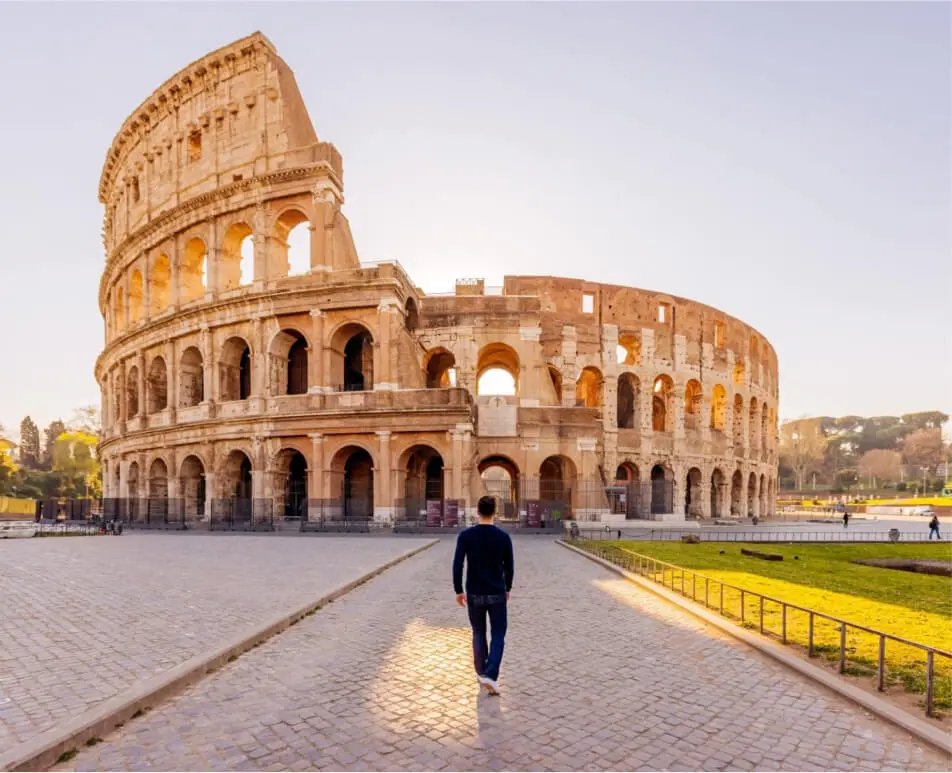
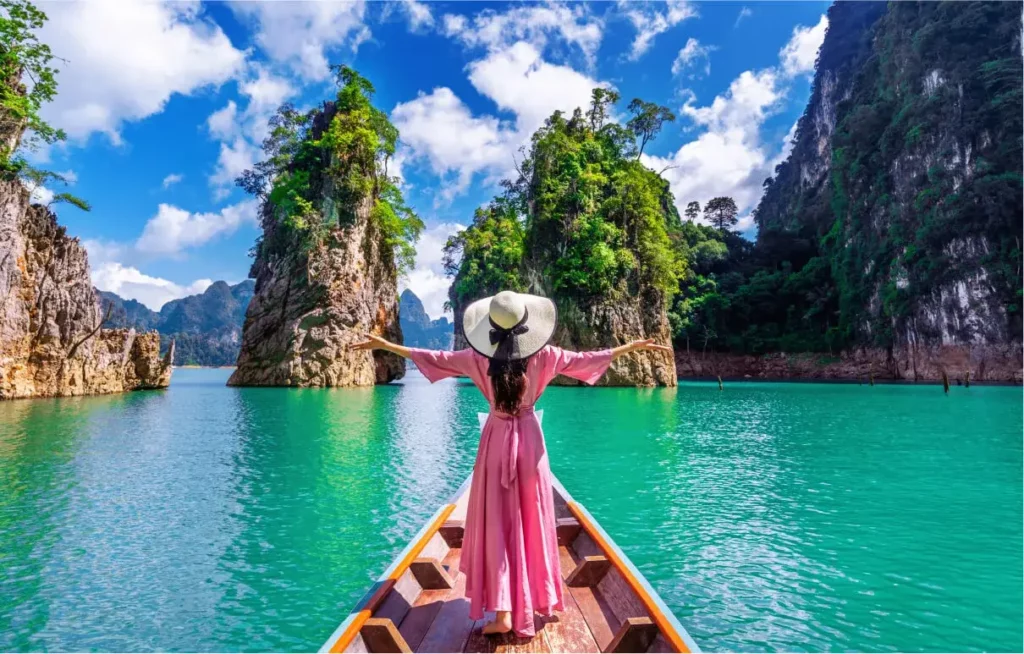

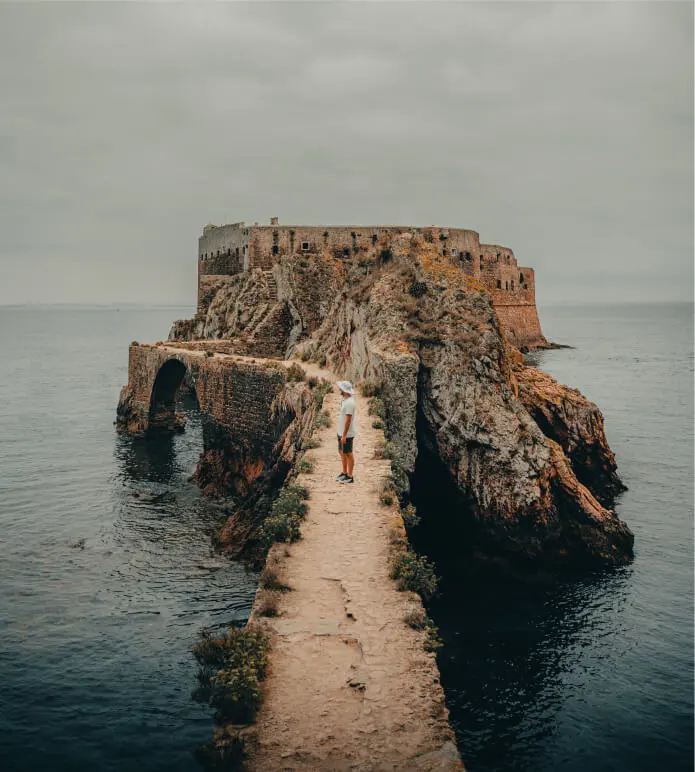
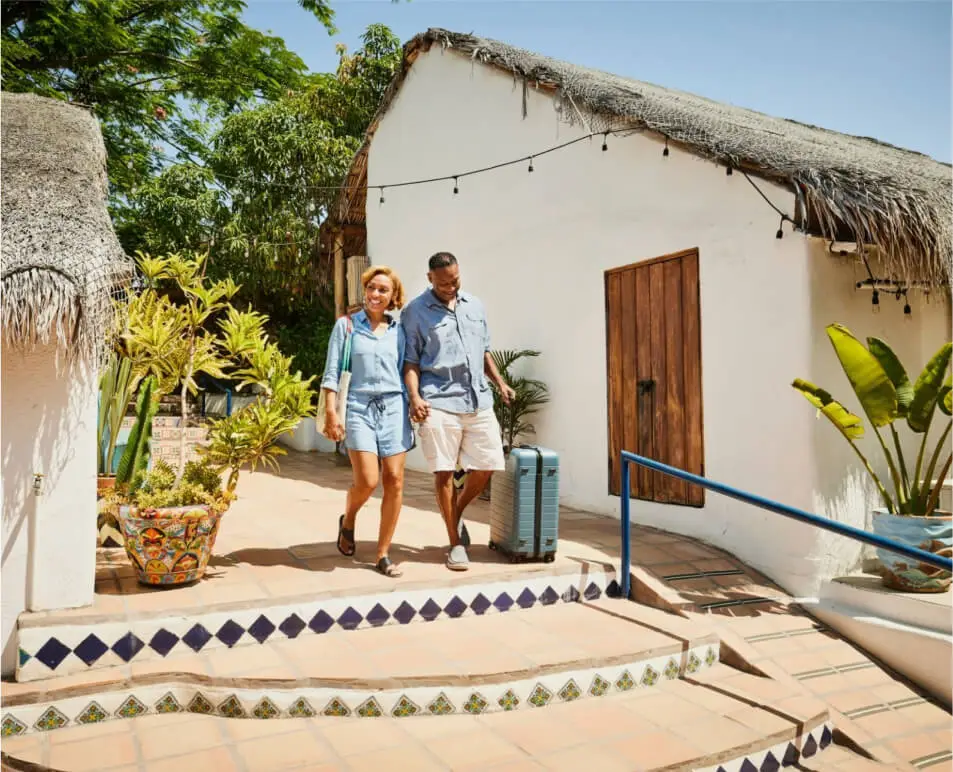
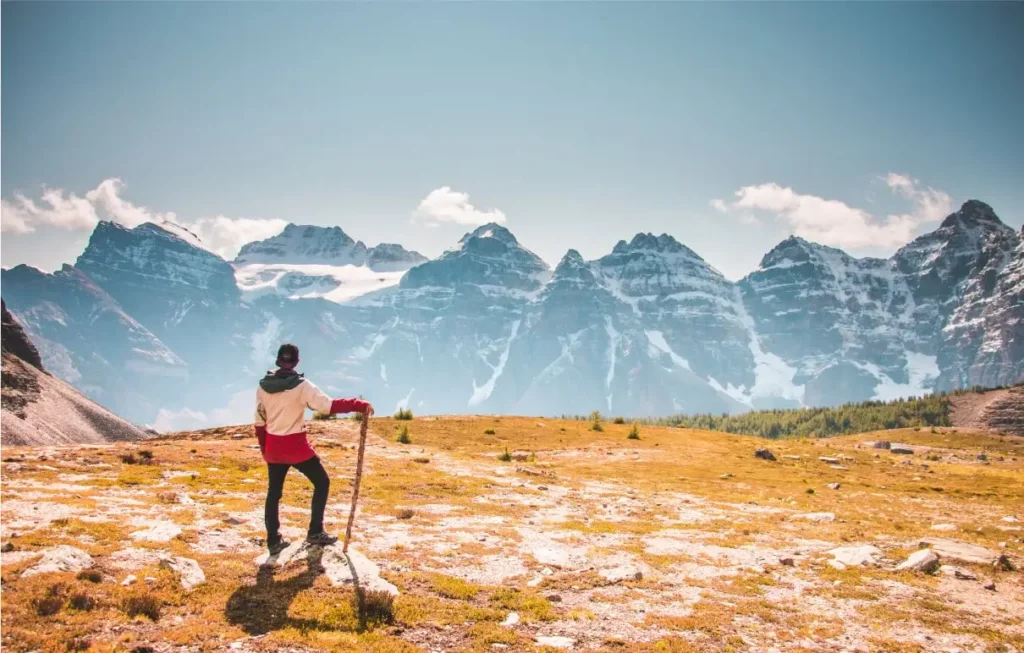
Batswana brings together the Kalahari’s wide horizons, extraordinary wildlife, river channels, salt pans and welcoming communities. Glide through the Okavango Delta, watch elephants in Chobe National Park, explore the vast Makgadikgadi pans, discover the ancient landscapes of Tsodilo Hills, and experience the traditions of villages and cattle posts. Its quiet wilderness, rich conservation heritage and unforgettable sunsets create a remarkable journey through southern Africa.



TAXES INCL/PERS

TAXES INCL/PERS

TAXES INCL/PERS

TAXES INCL/PERS
TAXES INCL/PERS

TAXES INCL/PERS
TAXES INCL/PERS
TAXES INCL/PERS
TAXES INCL/PERS
To receive our best monthly deals