To More Inquiry
+233 555 328 311
Support:
Ghana’s story reaches from ancient settlements and the great trading networks of West Africa to the powerful kingdoms that shaped the region. Akan states built prosperous communities around farming, craftsmanship and the gold trade, while the Asante Kingdom grew into a major political and cultural power whose capital at Kumasi became a centre of learning, diplomacy and commerce. Along the coast, European forts became sites in the transatlantic slave trade and later commerce; Cape Coast and Elmina preserve this difficult history. Ghana’s heritage also belongs to the Ga-Dangme, Ewe, Mole-Dagbani, Guan, Nzema and many other peoples whose languages, festivals, beliefs and traditions continue to enrich the nation. Formerly known as the Gold Coast, Ghana became the first sub-Saharan African country to gain independence from colonial rule in 1957, led by Osagyefo Dr. Kwame Nkrumah. Today, historic castles, royal traditions, sacred landscapes and living communities connect visitors to a resilient past and a vibrant modern Ghana.

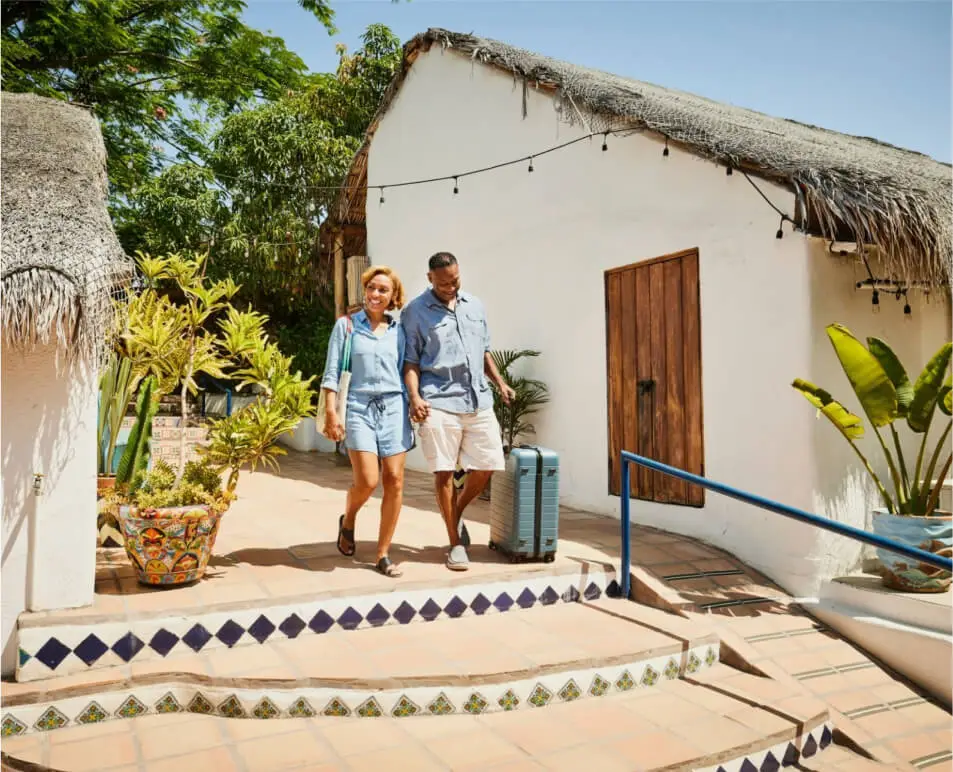
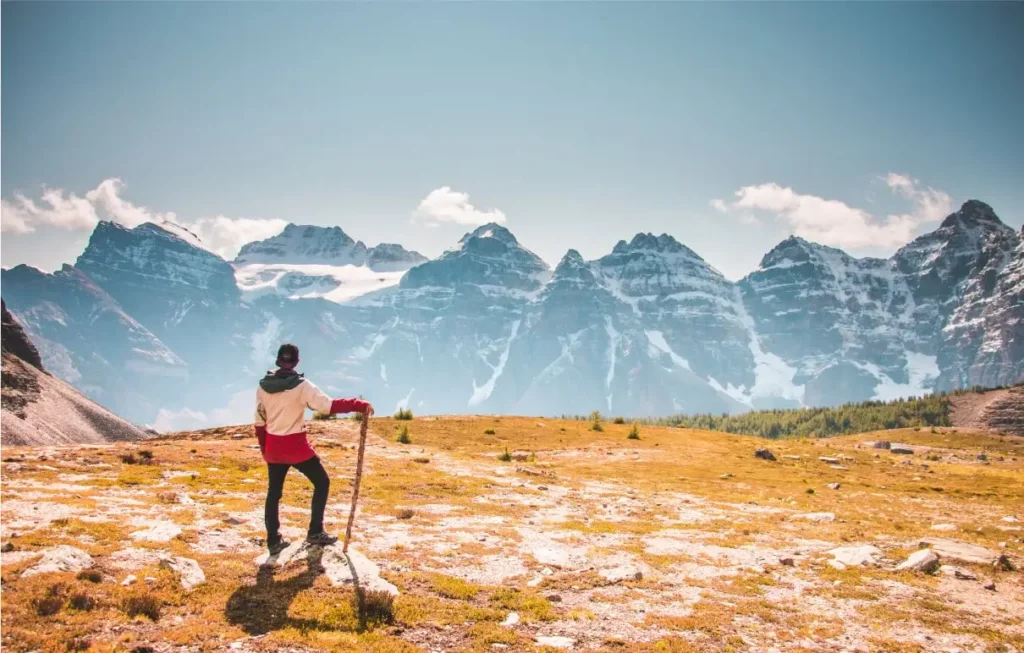
From the Atlantic coast to the forest belt and northern savannah, Ghana brings together landscapes and living traditions in one remarkable journey. Walk through Cape Coast and Elmina Castles, cross the canopy at Kakum, experience the rhythms of Accra and Kumasi, and travel north for wide savannah horizons and wildlife. Ghanaian hospitality, music, food and festivals make each region feel distinct while telling one connected story of heritage, courage and renewal.




TAXES INCL/PERS

TAXES INCL/PERS

TAXES INCL/PERS

TAXES INCL/PERS
TAXES INCL/PERS

TAXES INCL/PERS
TAXES INCL/PERS
TAXES INCL/PERS
TAXES INCL/PERS
To receive our best monthly deals