To More Inquiry
+233 555 328 311
Support:
Ivory Coast’s story is woven from the histories of Akan, Baoulé, Agni, Sénoufo, Dan, Guro, Malinké and many other peoples. For centuries, communities developed prosperous farming, craft and trading traditions, linking the forest, savannah and coast to wider West African networks. Ancient routes carried gold, salt, kola nuts and ideas across the region, while powerful kingdoms and city-states shaped local politics and culture. Coastal contact with European merchants was followed by French colonial rule, which transformed trade, borders and administration while also creating deep social and economic change. Cocoa, coffee, timber and later industry became central to the modern economy. Ivory Coast gained independence in 1960 under its first president, Félix Houphouët-Boigny, and Abidjan grew into a major economic and cultural centre. Today, the country’s languages, masks, dance, music, cuisine and festivals express a rich heritage that connects historic communities with a confident modern nation.
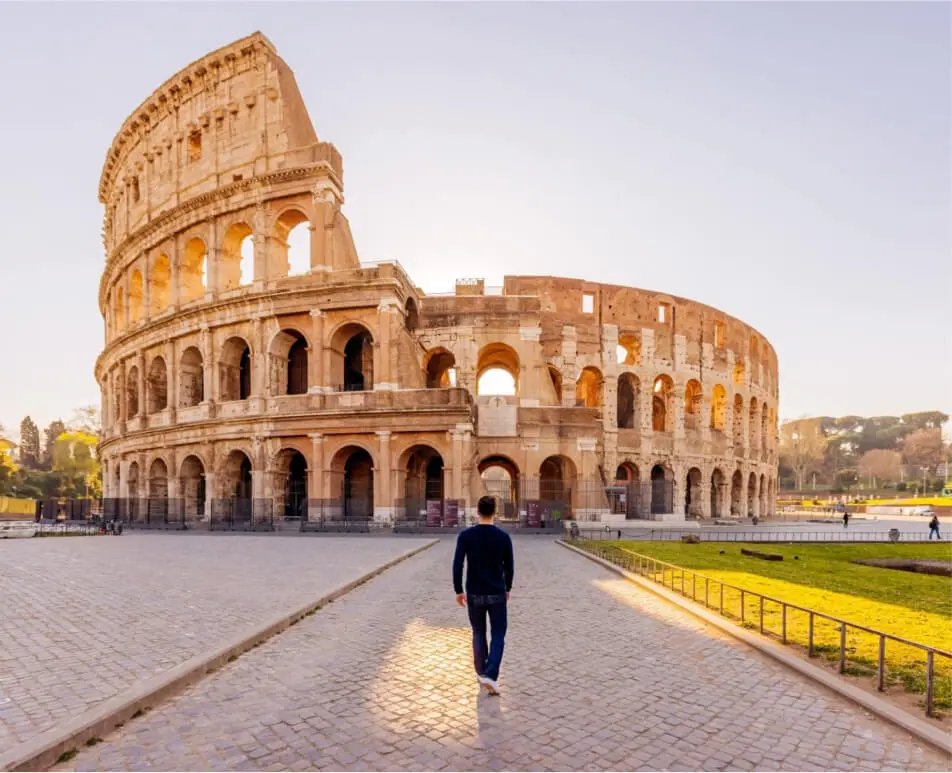
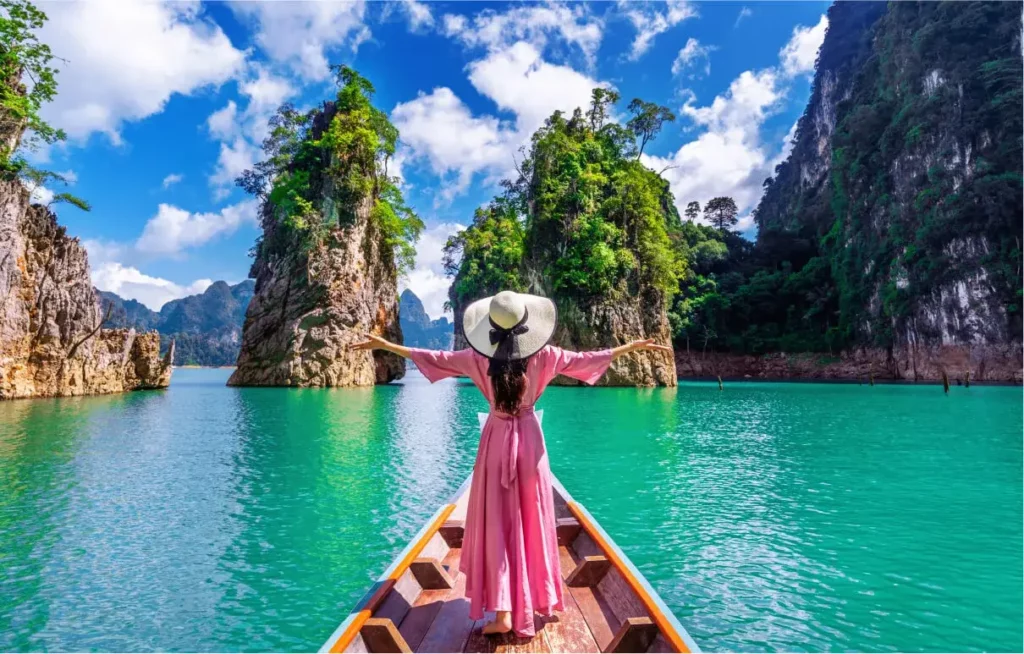

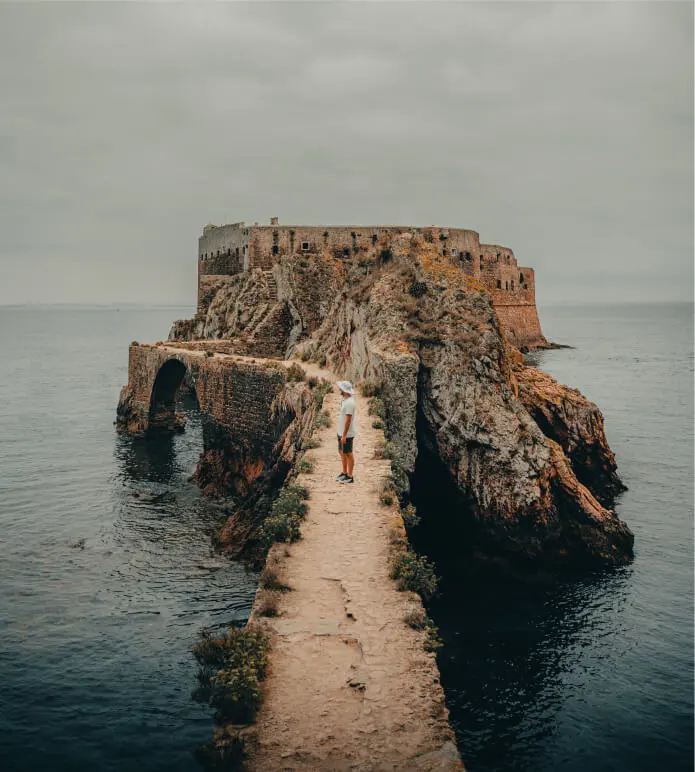
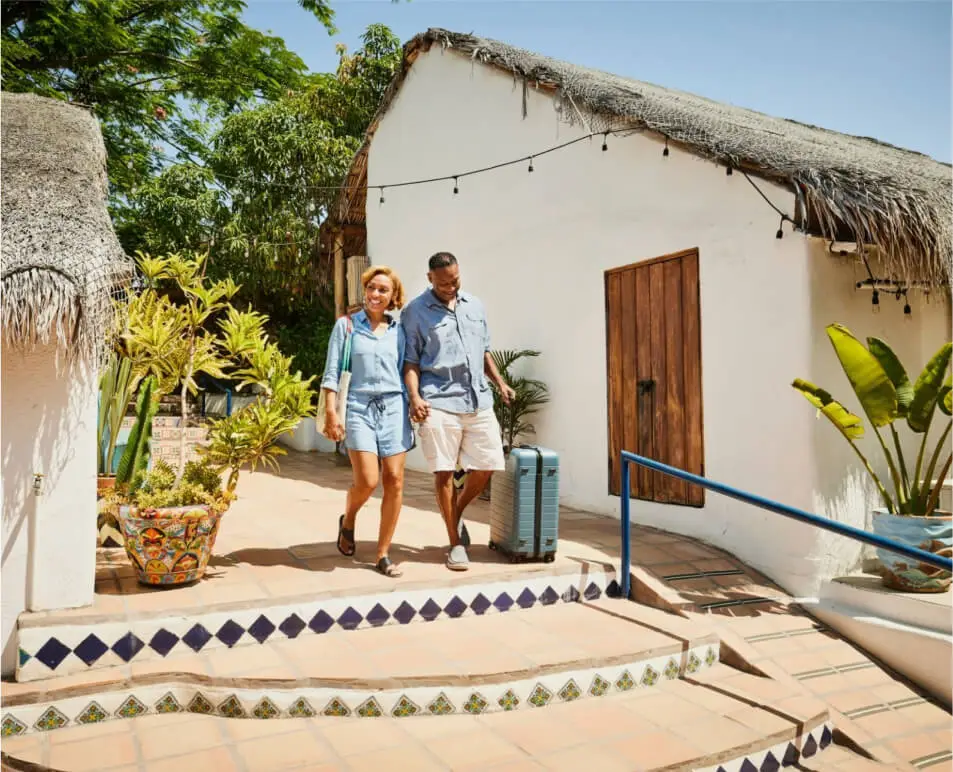

Ivory Coast offers a journey from the energy of Abidjan to the quiet beauty of lagoons, rainforest and coastal towns. Explore the historic streets of Grand-Bassam, discover the Basilica of Our Lady of Peace in Yamoussoukro, walk among rainforest landscapes near Man, and experience the beaches, food and music of the coast. Its welcoming communities and vibrant culture turn every visit into a celebration of West African life.




TAXES INCL/PERS

TAXES INCL/PERS

TAXES INCL/PERS

TAXES INCL/PERS
TAXES INCL/PERS

TAXES INCL/PERS
TAXES INCL/PERS
TAXES INCL/PERS
TAXES INCL/PERS
To receive our best monthly deals