To More Inquiry
+233 555 328 311
Support:
Mali’s story is rooted in the many peoples of the western Sahel, including Mandé, Songhai, Bambara, Fulani, Tuareg, Dogon, Bozo and other communities. The ancient Ghana, Mali and Songhai empires built powerful centres of trade, learning and culture across the region. The Mali Empire reached great influence under Sundiata Keita, while Mansa Musa’s famous pilgrimage showed the wealth and connections of the kingdom to the wider world. Timbuktu, Djenné and Gao became important centres for scholarship, commerce, architecture and Islamic learning, with manuscripts and oral traditions preserving generations of knowledge. French colonial rule later reshaped the territory, which became independent in 1960. Today, Mali’s heritage lives through its languages, music, griot storytelling, textiles, crafts, festivals and distinctive mud-brick architecture. From the banks of the Niger River to the cliffs of Bandiagara, Mali offers a powerful journey through West Africa’s empires, communities and enduring cultural memory.
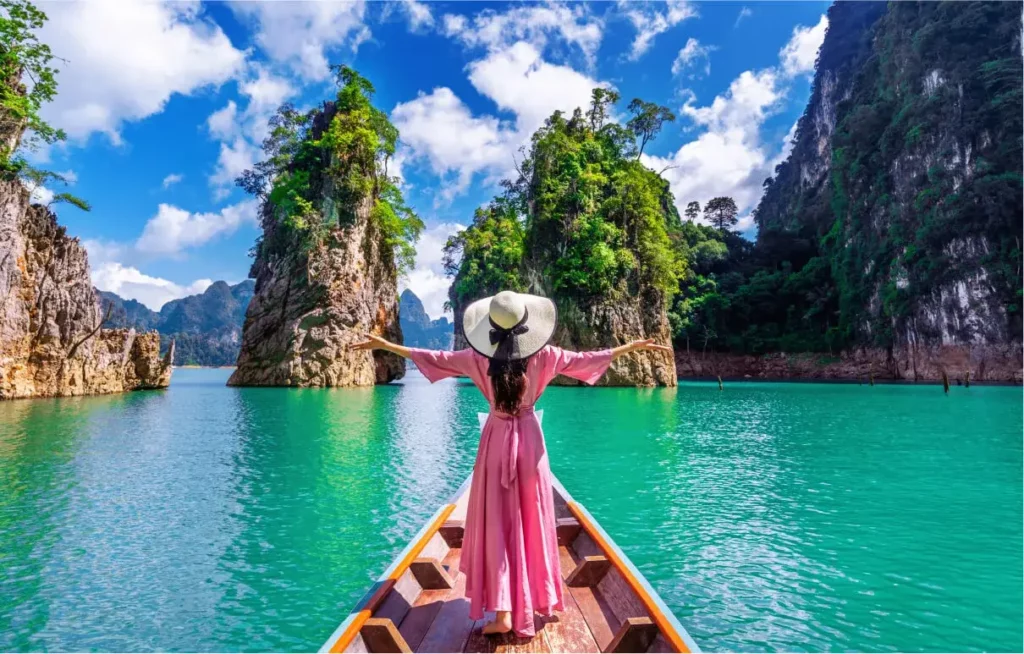

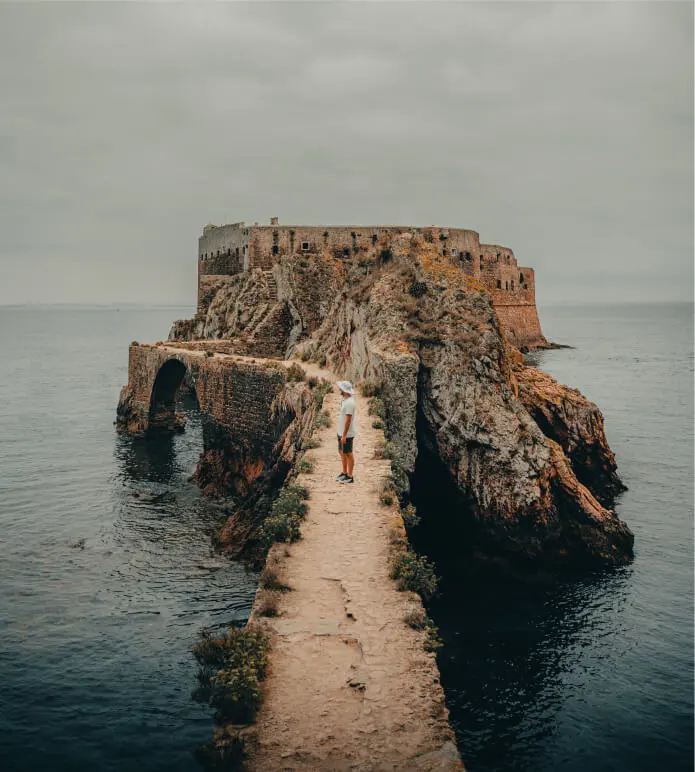
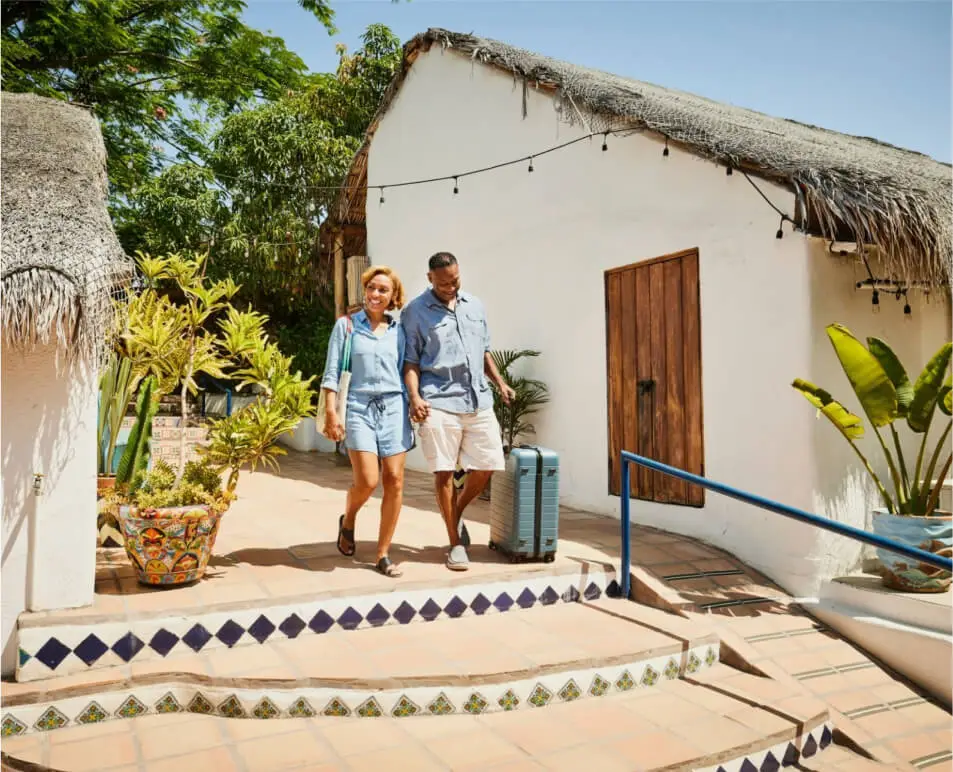

Mali brings together ancient cities, desert horizons, river landscapes, vibrant markets and some of West Africa’s most influential cultural traditions. Discover the mud-brick streets of Djenné, trace the scholarly heritage of Timbuktu, follow the Niger River, experience Bamako’s music and markets, and admire the dramatic landscapes of Dogon Country. Its stories, craftsmanship, hospitality and historic monuments create a memorable journey through the heart of the Sahel.




TAXES INCL/PERS

TAXES INCL/PERS

TAXES INCL/PERS

TAXES INCL/PERS
TAXES INCL/PERS

TAXES INCL/PERS
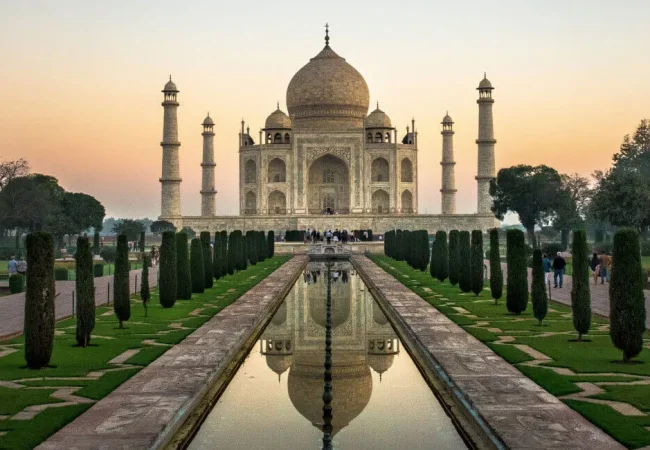
TAXES INCL/PERS
TAXES INCL/PERS
TAXES INCL/PERS
To receive our best monthly deals