Ghana’s first President, Osagyefo Dr Kwame Nkrumah and his colleagues stood at the Old Polo Grounds in Accra on the eve of Ghana’s political independence, to declare the country’s freedom from British colonial rule.
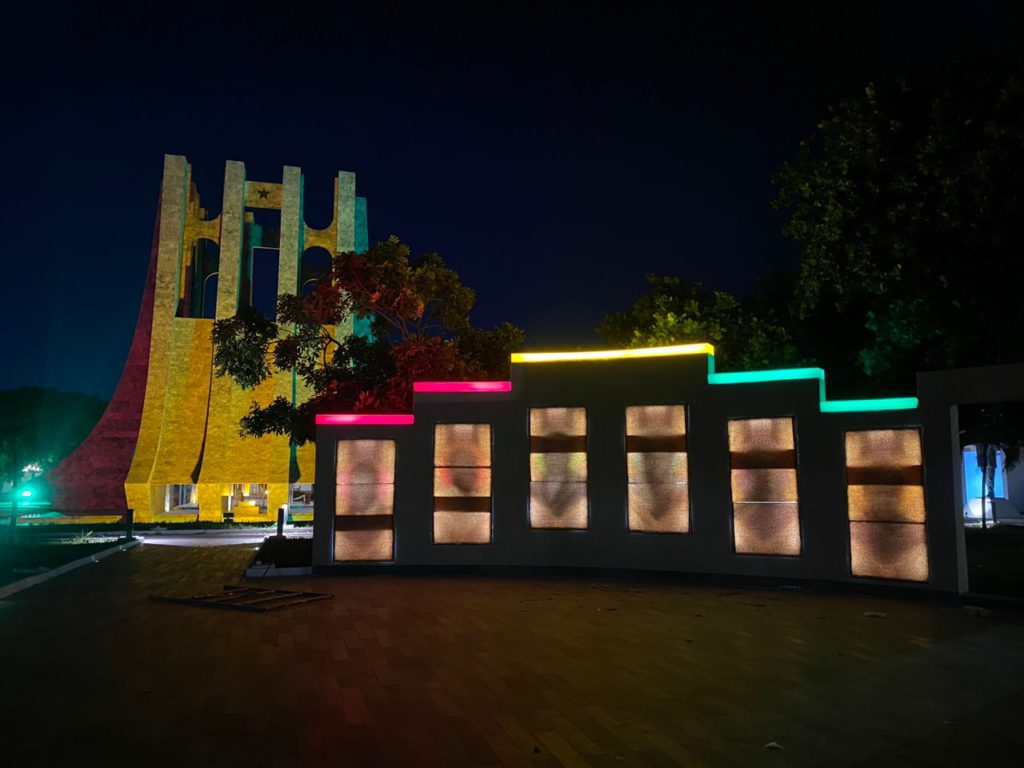
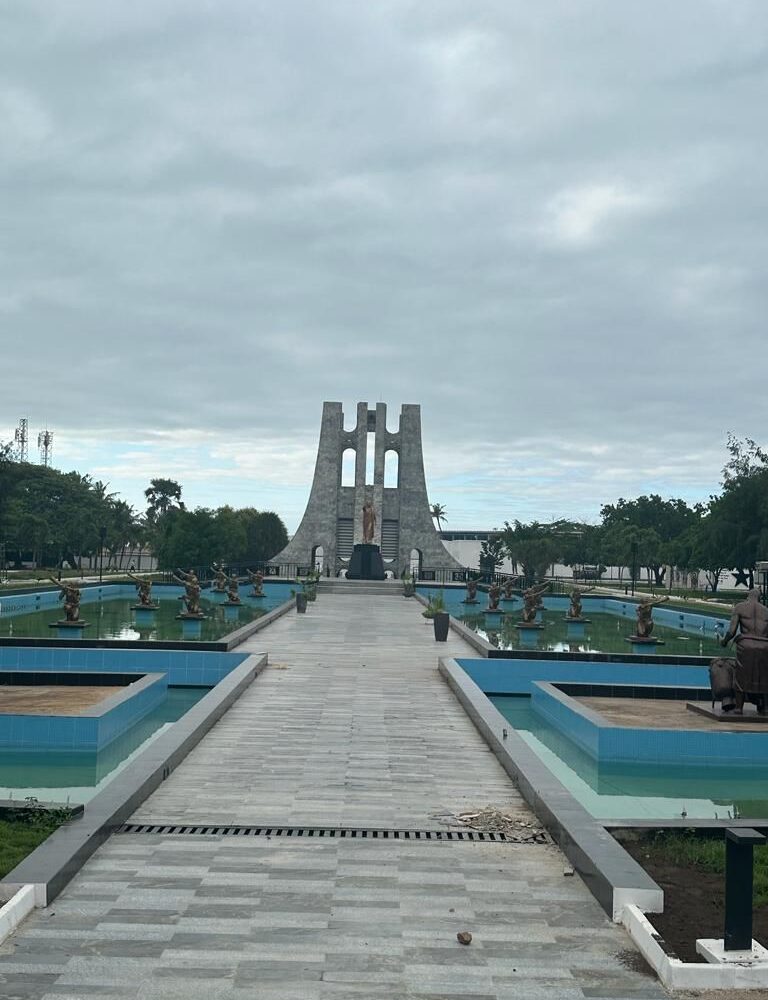
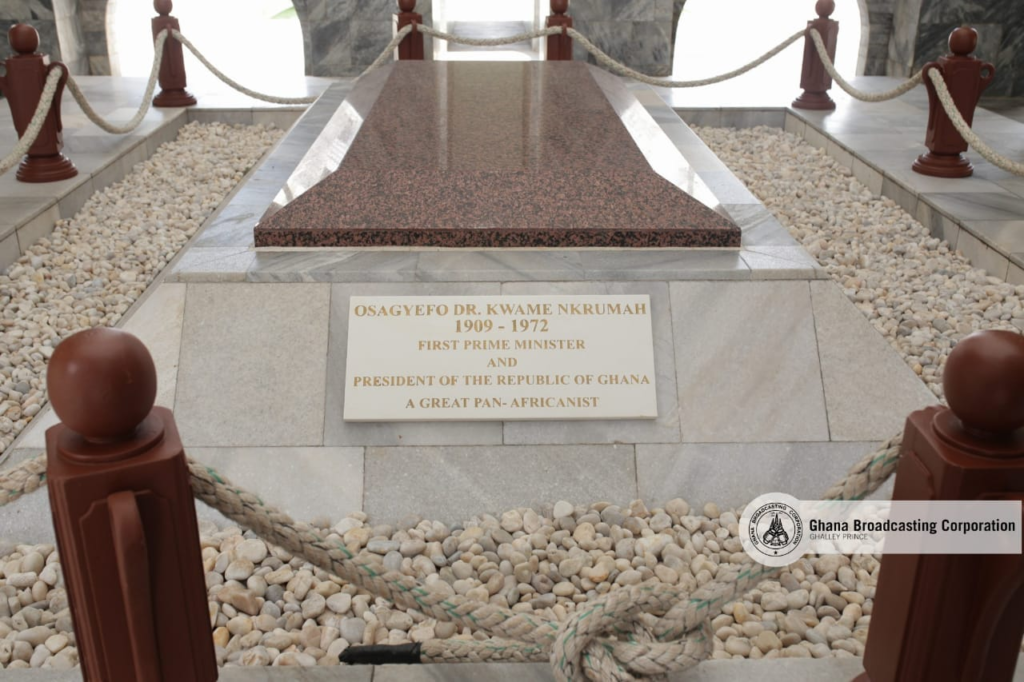
Kwame Nkrumah Mausoleum was dedicated to the prominent Ghanaian President Kwame Nkrumah. The memorial complex was dedicated in 1992, and is situated on the site of the former British colonial polo grounds in Accra.It is five acres in size.The mausoleum, designed by Don Arthur, houses the bodies of Kwame Nkrumah and his wife Fathia Nkrumah.
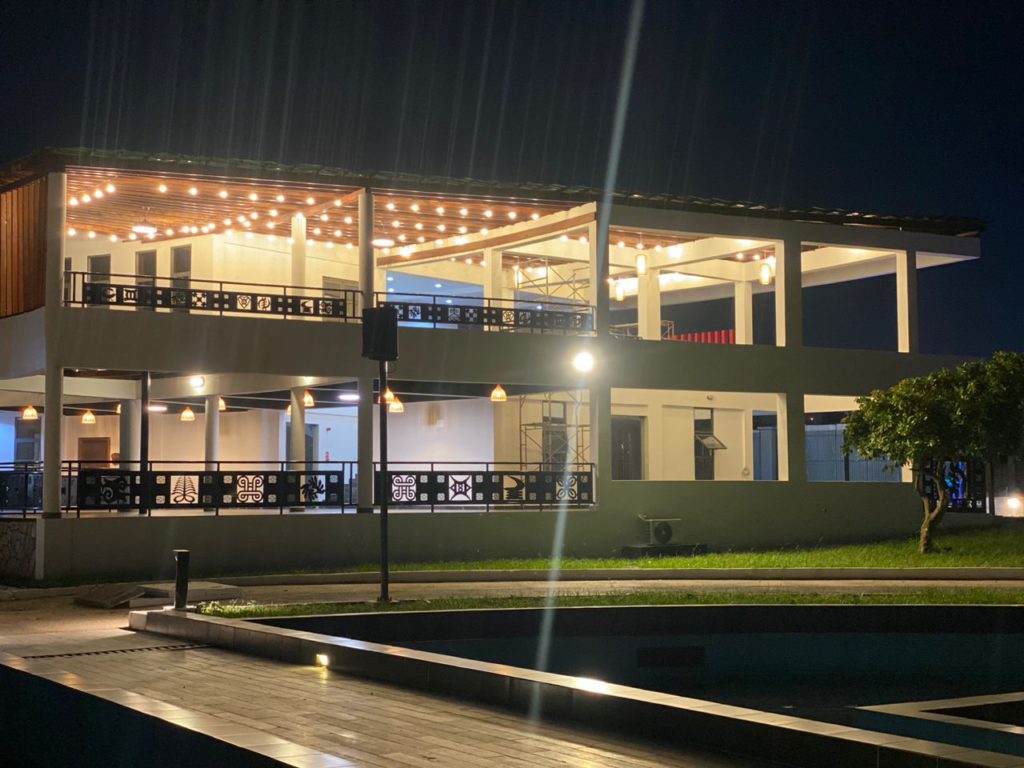
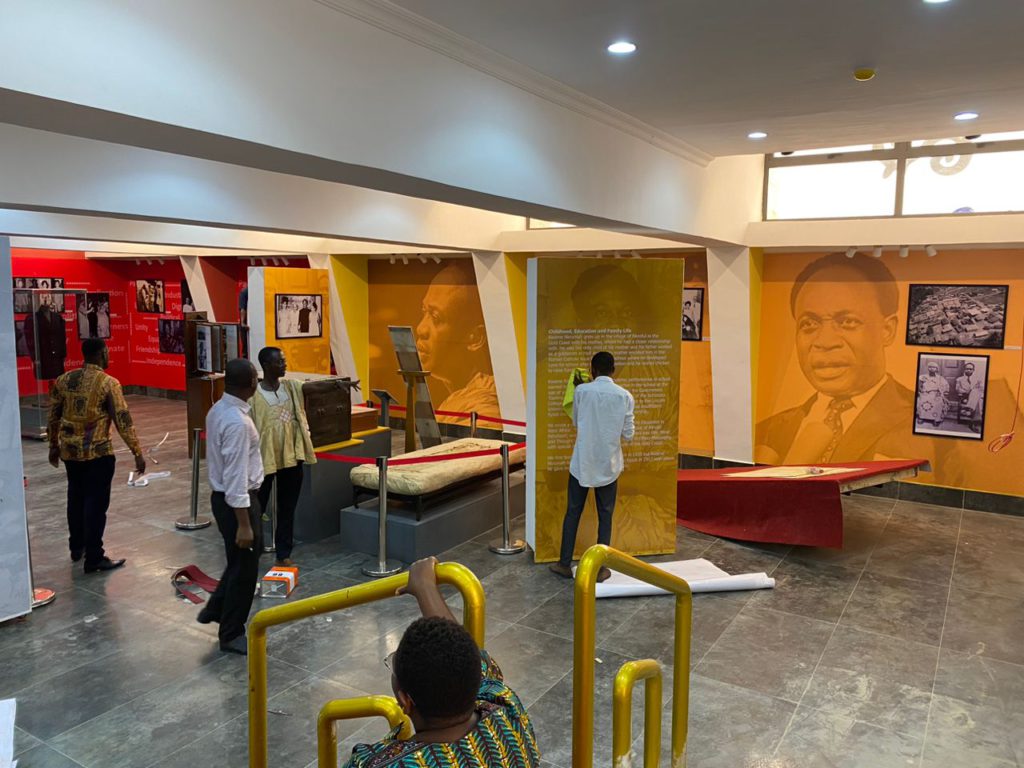
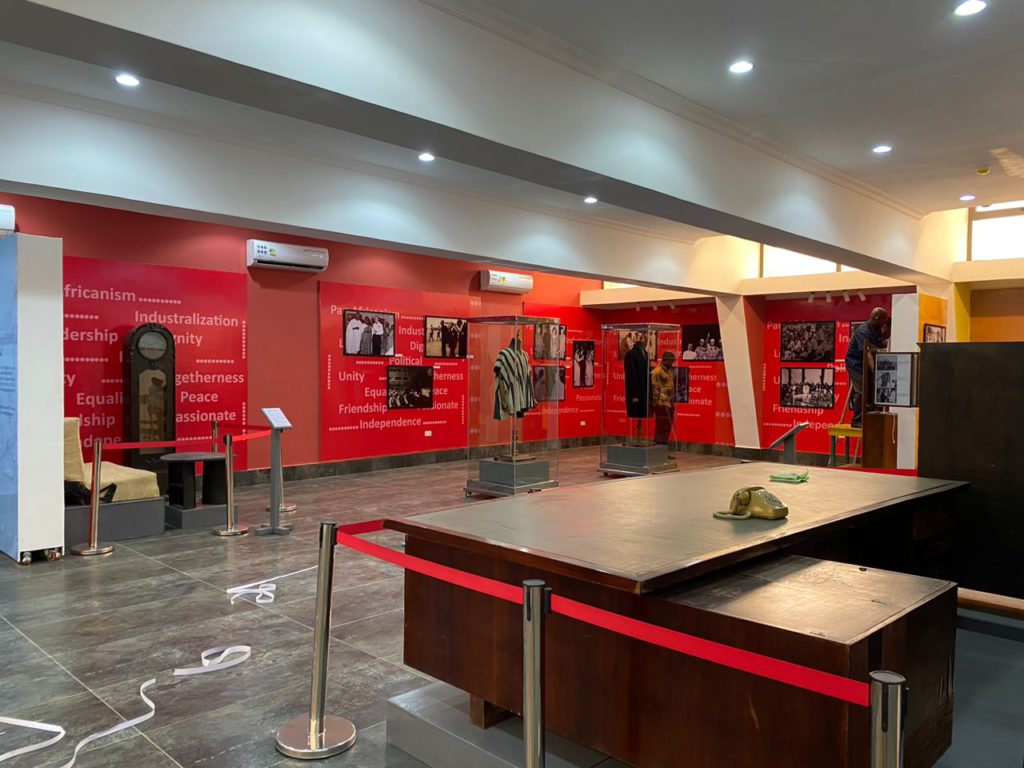
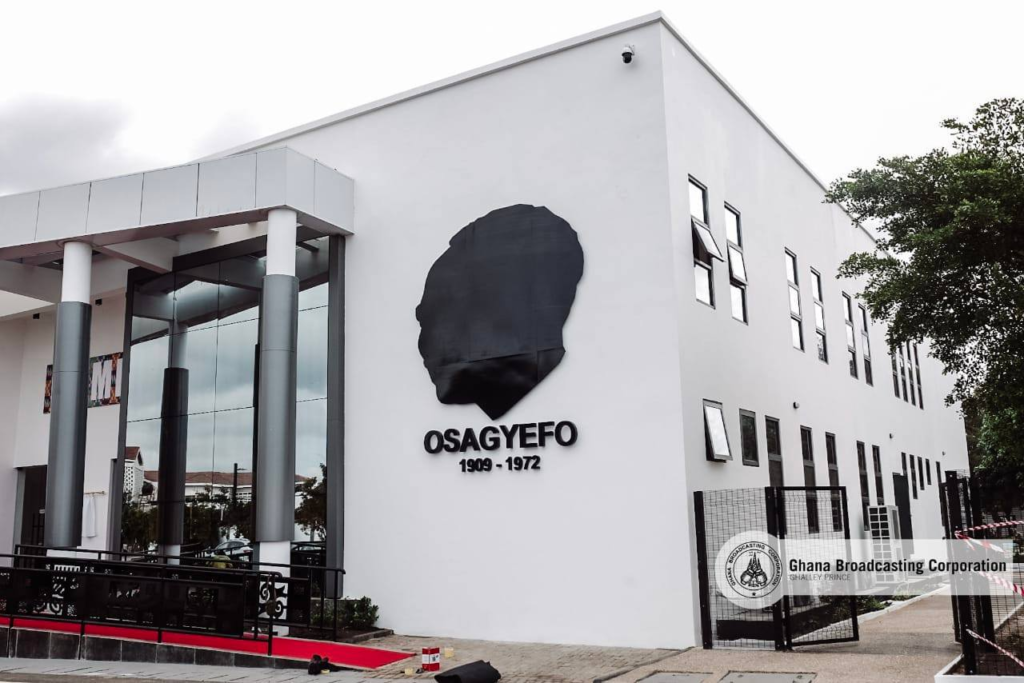
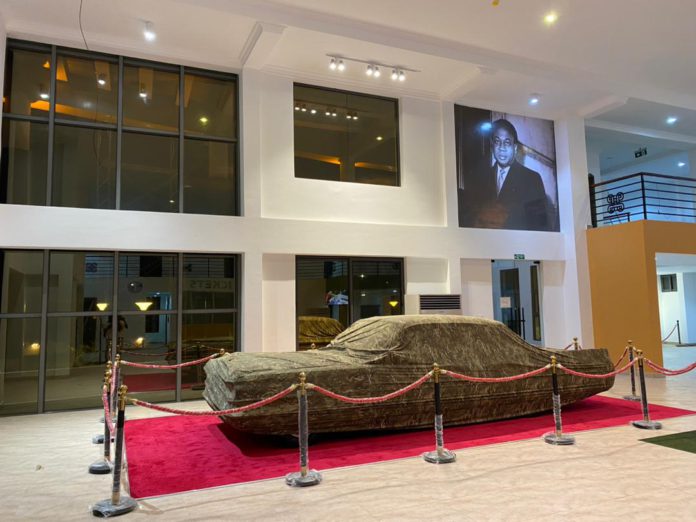
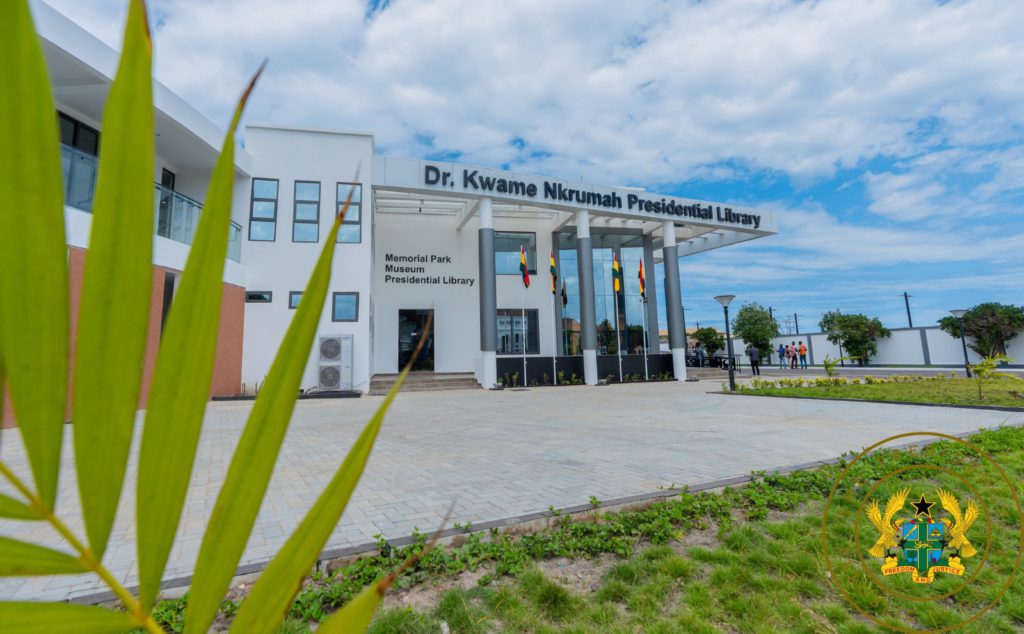
It is the spot where Nkrumah made the declaration of Ghana’s independence. On the premises is a museum that has on display objects from various stages of his life.
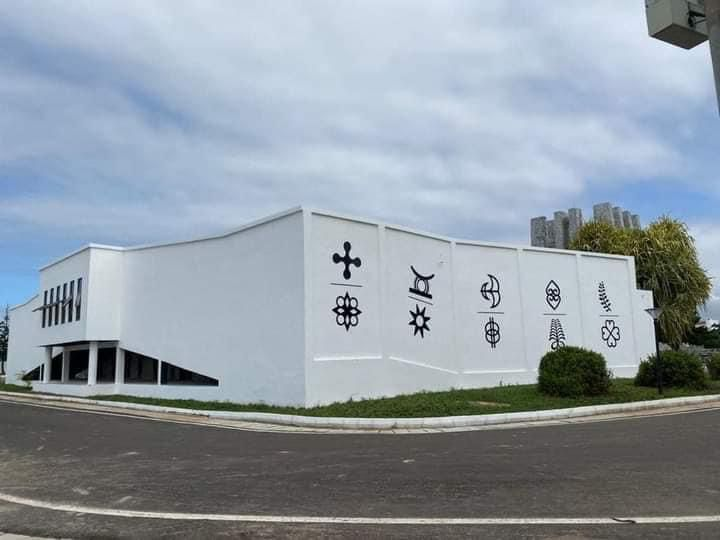
The building is meant to represent an upside down sword, which in Akan culture is a symbol of peace.
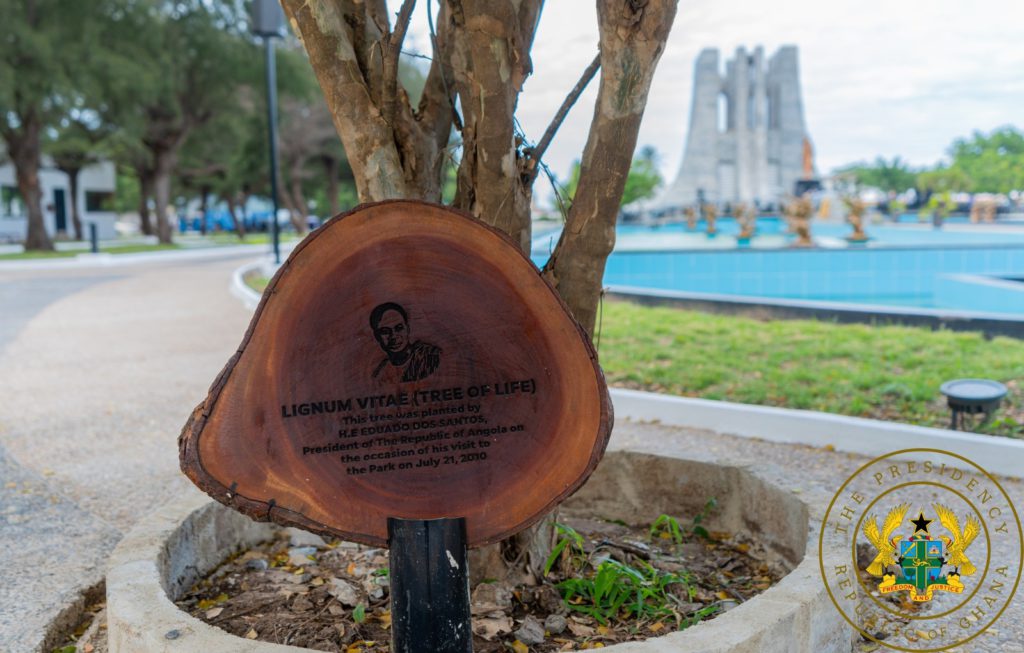
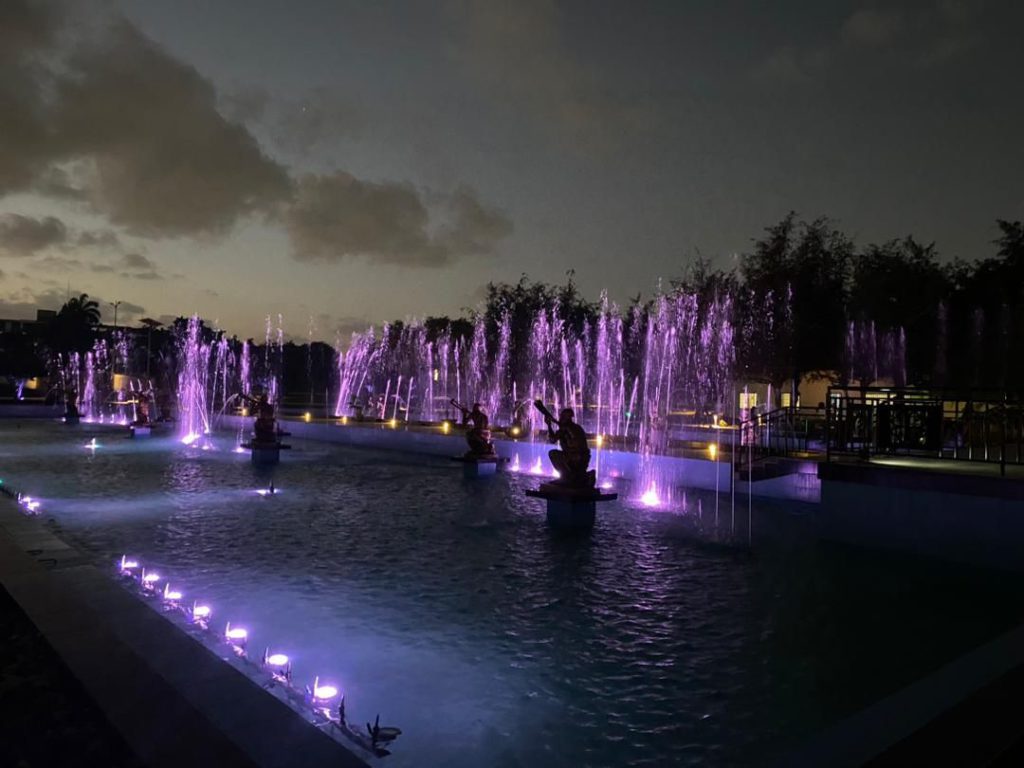
The mausoleum is clad from top to bottom with Italian marble, with a black star at its apex to symbolize unity. The interior boasts marble flooring and a mini mastaba looking marble grave marker, surrounded by river-washed rocks. A skylight at the top in the mausoleum illuminates the grave. The mausoleum is surrounded by water, a symbol of life.
Kotoka International Airport (Read More)
3 Hours Before Flight Time
The Kwame Nkrumah Mausoleum, located in Accra, Ghana, is a significant historical and cultural site dedicated to Dr. Kwame Nkrumah, Ghana’s first Prime Minister and President, who played a pivotal role in the country’s struggle for independence from British colonial rule. When visiting the Kwame Nkrumah Mausoleum, here’s what you can generally expect:
Historical Significance: The mausoleum serves as a tribute to Dr. Kwame Nkrumah, who led Ghana to independence in 1957 and became its first President. Expect to learn about his life, contributions, and the historical context of Ghana’s independence movement.
Mausoleum Structure: The mausoleum itself is an impressive architectural structure, featuring a large black star representing Ghana’s freedom and independence. Inside, you’ll find the final resting place of Kwame Nkrumah and his wife, Fathia Nkrumah.
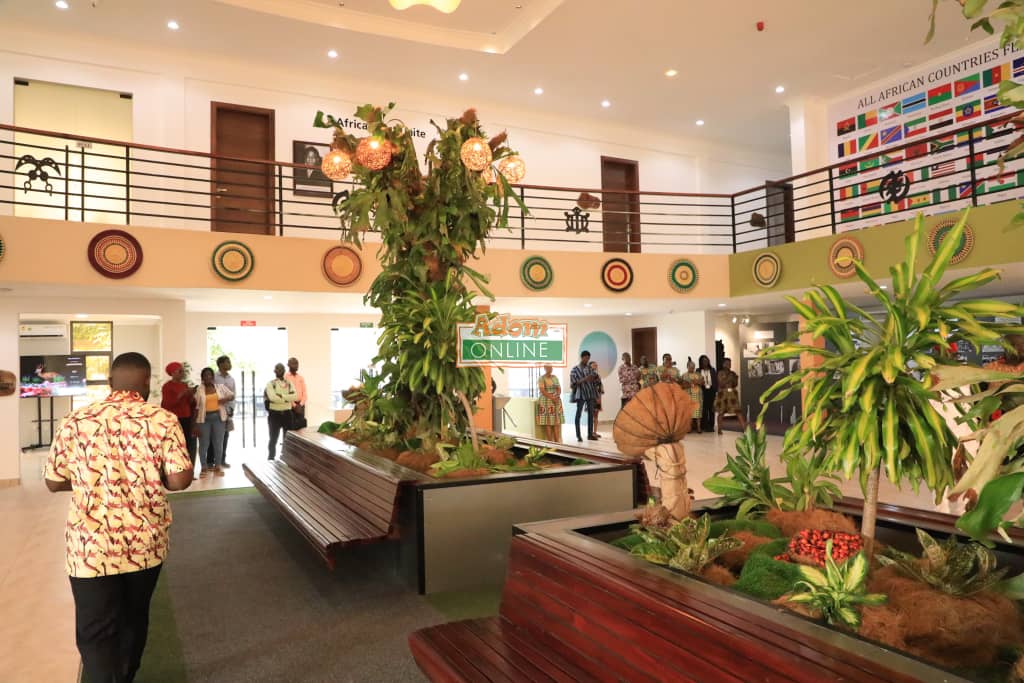
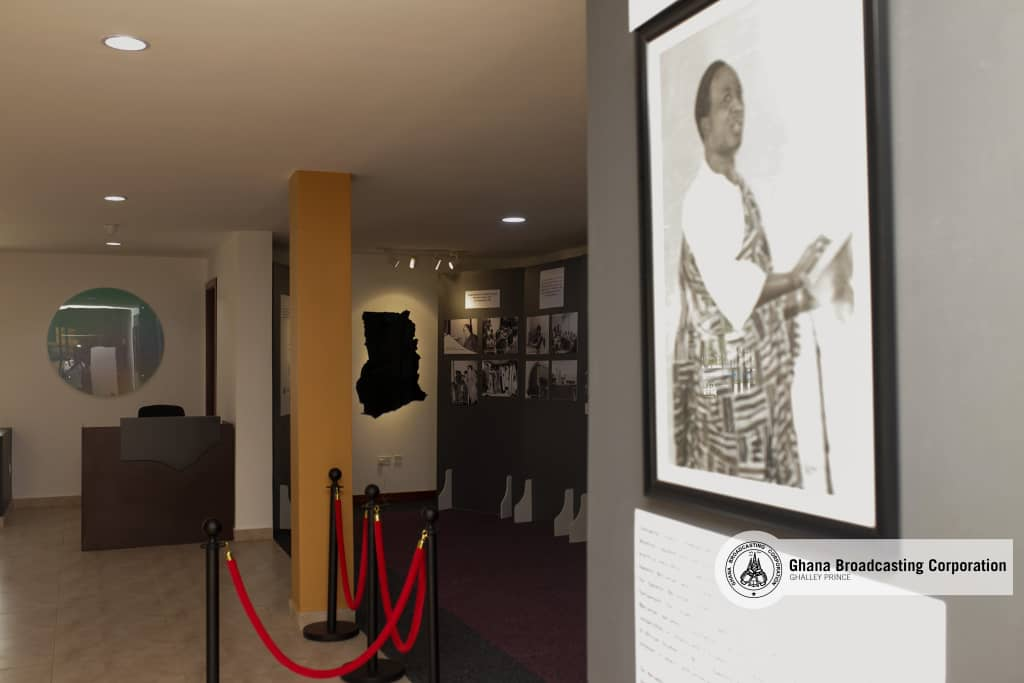
Exhibits and Artifacts: The mausoleum often houses exhibits, photographs, and artifacts related to Kwame Nkrumah’s life, the struggle for independence, and the Pan-African movement. These exhibits provide insights into Ghana’s history and Nkrumah’s legacy.
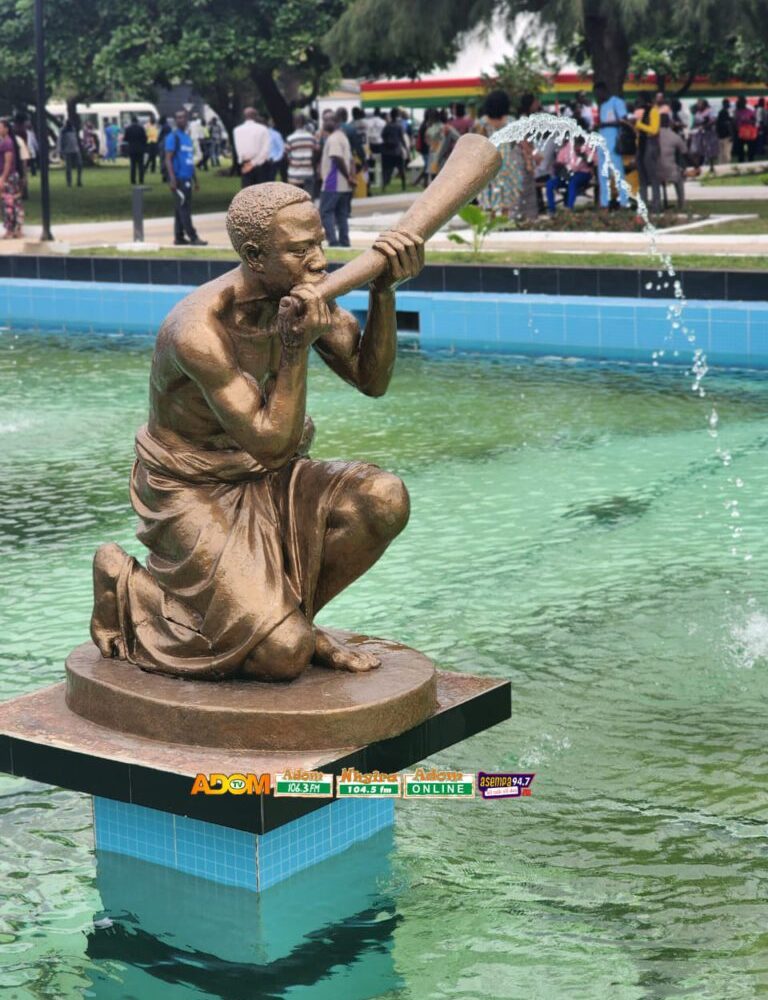
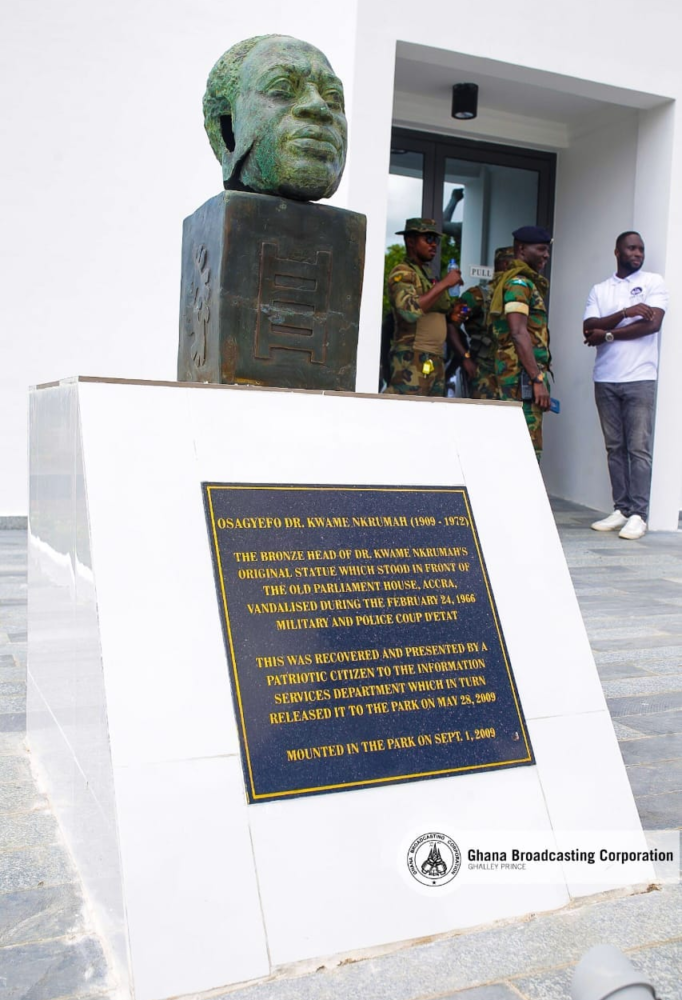
Statues and Sculptures: The surrounding area may feature statues and sculptures representing Nkrumah and other key figures in Ghana’s history. These sculptures add to the cultural and artistic significance of the site.
Cultural Performances: Depending on the time of your visit, you may have the opportunity to witness cultural performances, traditional dances, and music that celebrate Ghana’s history and heritage.
Educational Experience: The mausoleum offers an educational experience suitable for visitors of all ages. It’s an opportunity to gain a deeper understanding of Ghana’s path to independence and its role in the Pan-African movement.
Library and Research Center: Some mausoleums have associated libraries or research centers where scholars and researchers can access materials related to African history, politics, and Nkrumah’s writings.
Ceremonial Events: The Kwame Nkrumah Mausoleum may host ceremonial events and gatherings on significant national and cultural occasions. These events are often attended by dignitaries and the public.
Reflection and Contemplation: The serene surroundings of the mausoleum make it a suitable place for reflection and contemplation. Visitors often pay their respects to Nkrumah and reflect on his contributions.
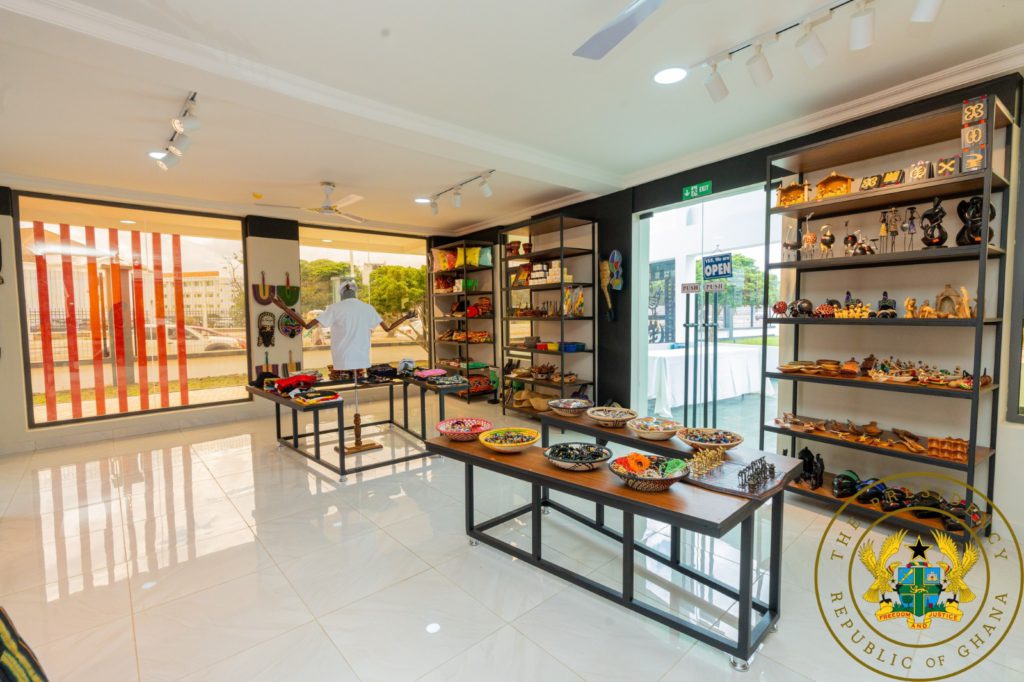
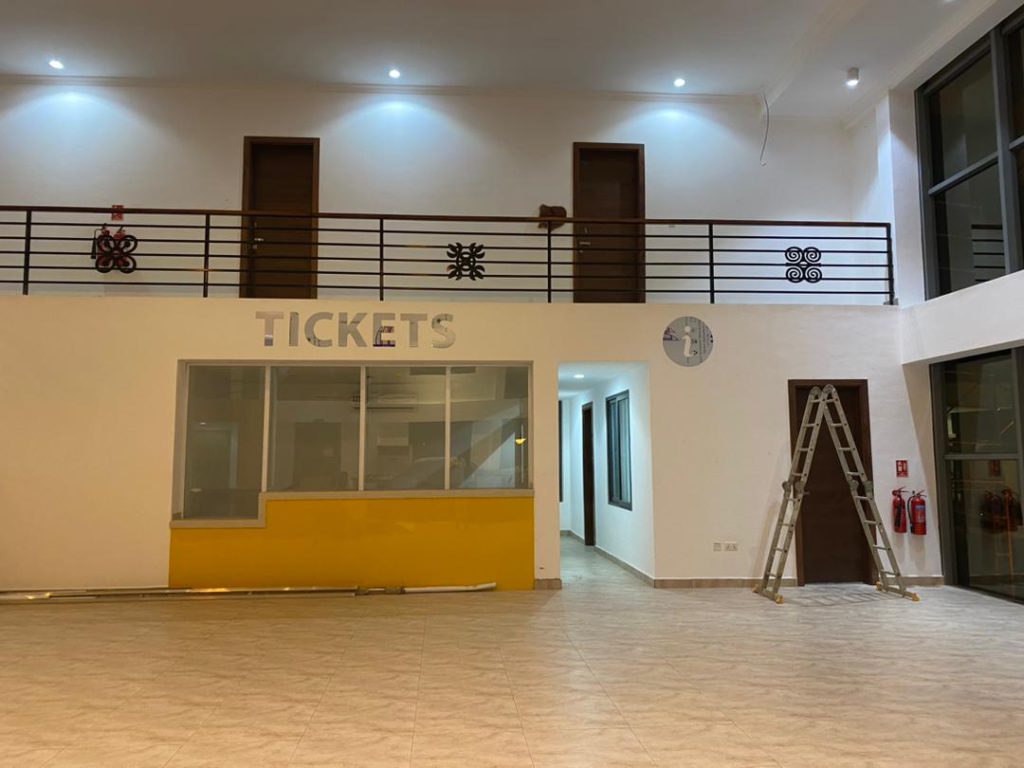
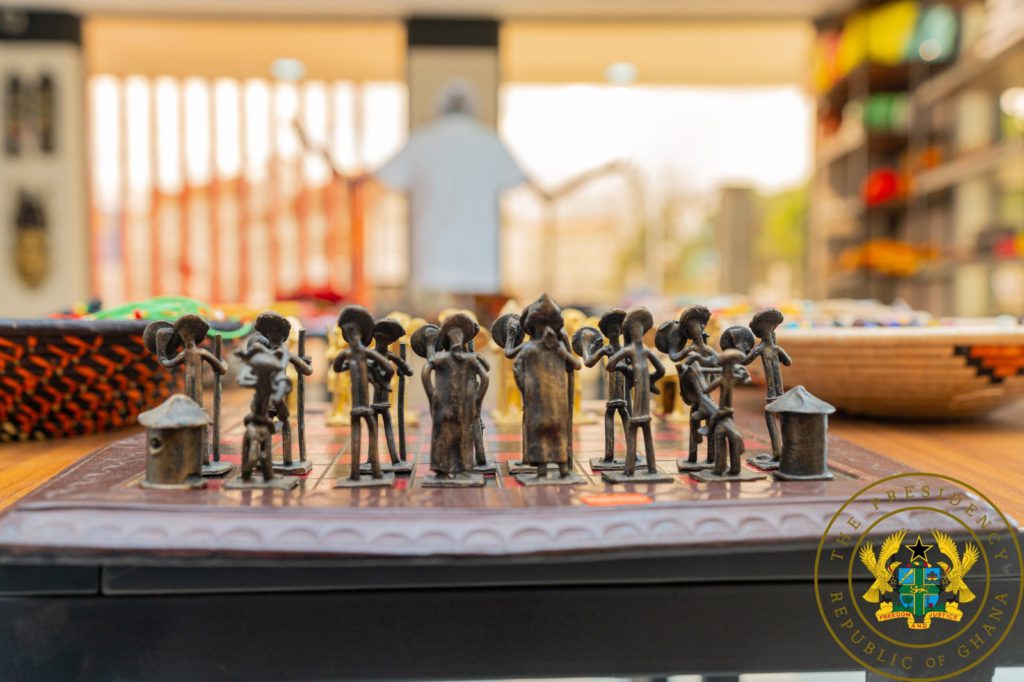
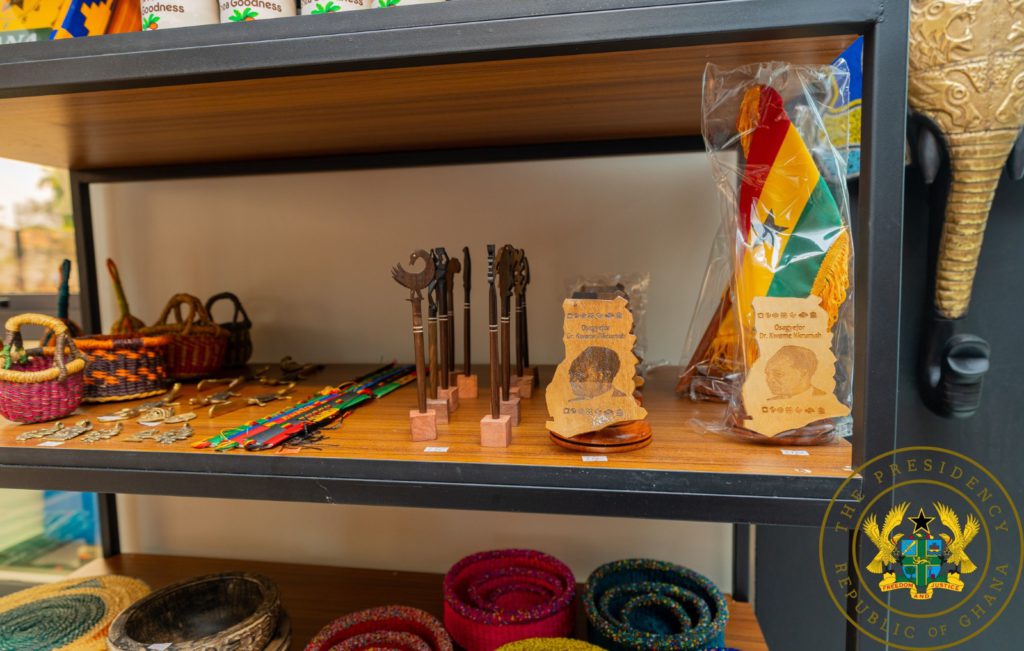
Gift Shop: Some mausoleums have gift shops where you can purchase souvenirs, books, and items related to Ghana’s history and Kwame Nkrumah.
To receive our best monthly deals